Strategic Plan to Sell Your Newport Beach Waterfront Home
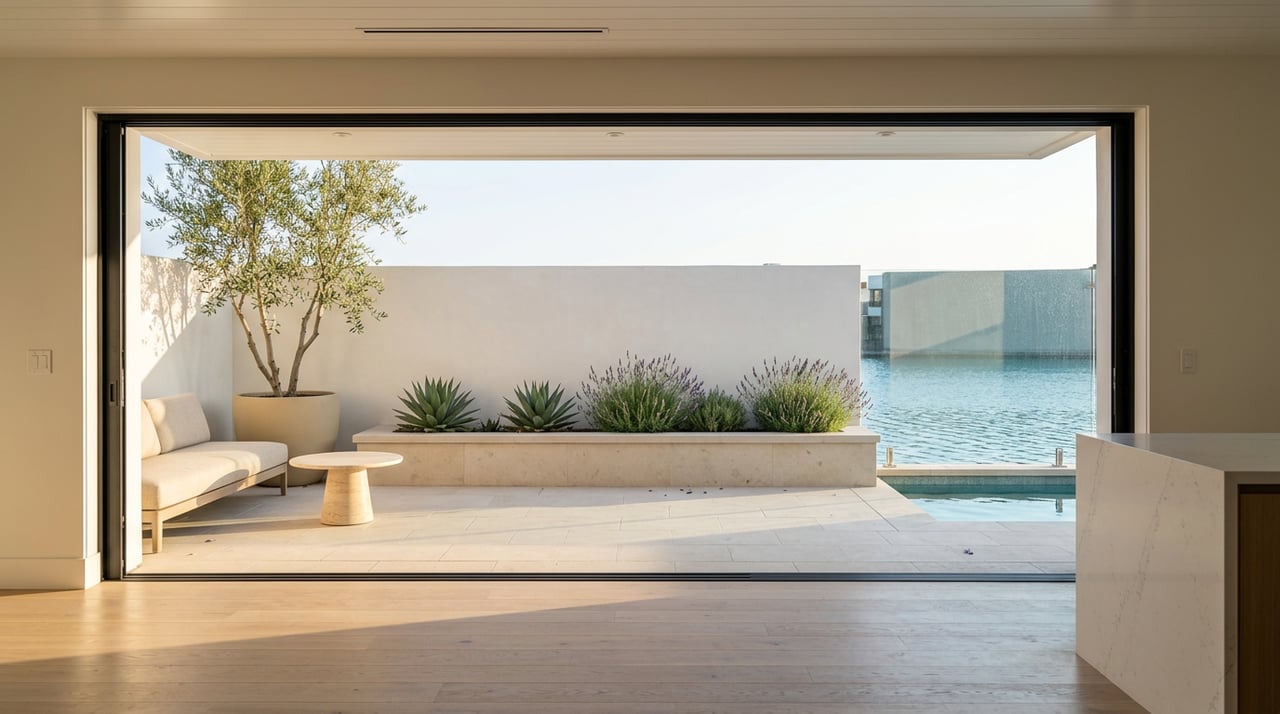
Thinking about selling your home on the water in Newport Beach? You already know it is not like selling a standard house. Waterfront buyers look for lifestyle, permits, and proven performance on the water, and they expect documentation to match. In this guide, you will learn how to price with confidence, prepare your permits and disclosures, and market to qualified, high‑net‑worth buyers without wasting time. Let’s dive in.
Newport Beach is a multi‑tier market. Bayfront, harborfront, and oceanfront each perform on their own timelines and price ranges. Newport Coast and trophy oceanfront often sit well above city medians, while Balboa Island and Lido harborfront trade on features like dock size, moorings, and seawall condition. Treat your segment as its own micro‑market when setting price and expectations.
Buyer pools also differ. Waterfront tiers often attract cash or private‑bank buyers who value certainty and speed. That can shorten your path to closing if your property and paperwork are ready.
Seasonality still matters. Many sellers plan improvements and marketing in the 6 to 10 weeks leading into a spring or early summer launch. That window tends to capture peak travel and preview activity. Well‑prepared luxury listings can succeed year‑round, but timing helps.
Bayfront buyers prize private docks and sheltered water access. Value often turns on the permitted pier or dock size, condition, and whether mooring rights or onshore moorings are transferable. Start early on City permit steps and inspections so transfer does not delay escrow. You can review the City’s pier and dock permit and transfer process in the official guidance from the City of Newport Beach.
Seawall condition is another key driver. Buyers and appraisers will ask for recent engineering notes, repair history, and expected lifespan. Well‑documented shoreline protection can secure a meaningful premium.
Harborside moorings and slips may be City‑controlled and can require specific transfer procedures. Some permits are nontransferable. Prepare to disclose the status, coordinate with the harbormaster, and complete any required steps promptly. For reference, review the Newport Beach Municipal Code sections on harbor regulations and moorings, including transfer processes under NBMC Chapter 17.60.
Oceanfront value centers on view corridors, beach or dune access, and protective improvements. These properties face higher coastal exposure, which means more attention to insurance, mitigation, and hazard disclosures. The City’s Sea Level Rise Vulnerability Assessment outlines areas of focus, including Balboa Peninsula. If your property may be affected, share relevant context from the City’s sea level rise planning resources early in the process.
Waterfront comparables are thin and not interchangeable. Dock size, channel access, lot depth to water, seawall age, and shoreline history create large adjustments. Consider commissioning a pre‑listing appraisal or a waterfront‑specific broker price opinion to support a defensible list price. Accurate pricing attracts qualified buyers faster and protects your negotiating position.
To justify a premium, highlight the items that matter most to waterfront buyers. Provide current pier permit documents, pier or dock inspection reports, and an engineer’s memo on the seawall or bulkhead. If City inspections are required for a permit transfer, complete them in advance to avoid last‑minute delays.
Assemble a clean, complete file before the first showing. Include:
California requires a Transfer Disclosure Statement and a Natural Hazard Disclosure. Coastal properties often trigger additional hazard discussions such as flood or seismic risks. A helpful primer on seller disclosure standards is available here: disclosure standards overview. Work with your agent to ensure all known issues are fully disclosed to reduce post‑closing risk.
Identify the current FEMA flood zone and be ready to summarize your flood insurance status. Waterfront properties may sit in V, VE, or AE zones, which can affect loan requirements and premiums. Use FEMA’s official tool to confirm your map and zone at FEMA Flood Maps. If you hold a private flood policy, share the current premium, coverage type, and deductibles so buyers can underwrite quickly.
Small cosmetic items should be completed before listing. For larger work like seawall reinforcement or dock repairs, weigh two paths:
If your sale requires a pier permit transfer, the City will inspect and may require corrections. Build that timing into your pre‑launch calendar to protect your timeline.
High‑net‑worth buyers often choose a property from the first impression they see online. Invest in elevated presentation:
Kathy’s design‑first approach turns your home’s water story into a premium market position. Strong visuals plus complete documentation increase confidence and speed.
Use this preparation timeline to reduce friction and maximize launch impact:
Pre‑qualify buyers early. Require proof of funds or a bank letter before negotiating material concessions. Cash offers with fewer contingencies are common at this level, but you should still balance speed with your disclosure obligations.
Use a clear contingency framework. Short, defined inspection periods and escrowed reserves for dock or seawall items can keep negotiations on track. Coordinate City pier inspections early in escrow to avoid surprises.
Plan for commissions and costs. A combined commission in the mid‑single digits has been a useful planning baseline historically, but recent rule changes have shifted structures in some markets. Review options and buyer‑agent compensation with your listing agreement and stay current on policy updates. For a national view of post‑rule trends, see this commission rules summary.
Sea level rise and shoreline projects are active topics in Newport Beach, especially for Balboa Island and the Peninsula. The City’s planning resources outline vulnerability and long‑range options. Provide context proactively with the Sea Level Rise Vulnerability Assessment. For wider perspective on Balboa Island adaptation discussions, this article offers helpful background: Balboa Island may need elevation.
Flood insurance availability and cost vary by zone, elevation, and protective structures. Share your current policy, prior claims, and any mitigation steps so buyers and lenders can underwrite with confidence. Confirm your designation using FEMA Flood Maps.
Premium outcomes come from preparation, precision, and presence. Price with proven waterfront comps. Bring complete, easy‑to‑read permits and engineering. Launch with design‑driven visual storytelling that reaches qualified buyers locally and abroad. Negotiate with structure and confidence.
If you are ready to map your sale from prep to close, connect with Kathy Klingaman for a tailored, waterfront‑specific strategy.









Prior to entering real estate, she worked as an award winning graphic designer and is happy to bring her creativity and deep knowledge of marketing to her real estate business. It is that out-of-the-box thinking that gets buyer’s offers accepted in a competitive situation, and it is marketing that attracts more buyers, brings more offers and potentially drives up the price of a home! Contact Kathy today to discuss all your real estate needs!