Crystal Cove Gated Communities Guide to HOA Living

If you are considering Crystal Cove, you are probably looking for more than a beautiful home. You are likely weighing privacy, amenities, monthly costs, and how daily life actually feels inside a guard-gated coastal community. This guide will help you understand how Crystal Cove’s gated communities and HOA lifestyle work, what makes the community distinct, and what to review before you buy. Let’s dive in.
One of the first things to know is that "Crystal Cove" can refer to two separate places in the same coastal area. The residential community is part of Newport Coast in Newport Beach, while Crystal Cove State Park is a public park with beaches, coastal land, and a historic district.
The City of Newport Beach notes that Newport Coast was annexed into Newport Beach in 2002 and includes newer hillside homes and hotels above the Pacific. That distinction matters when you are researching listings, amenities, and access, because the gated residential areas and the public park share a name but serve very different purposes.
Crystal Cove is best understood as a layered HOA environment, not a one-fee, one-rule community. The City of Newport Beach GIS map identifies Crystal Cove Community Association as a master association, and city planning materials explain that Newport Coast was developed with both larger community associations and smaller sub-associations.
In practical terms, that can mean you may have more than one set of dues, rules, or architectural standards to review. Depending on the tract, separate associations may help manage items like gate operations, streetscape maintenance, and fuel-modification areas.
This structure can affect your monthly carrying costs and your ownership experience. It can also shape what you can do with the property over time, especially if you plan future improvements, exterior changes, or a long-term hold.
Before you move forward on a purchase, it is smart to review:
Buyers often hear tract names used in conversation and online home searches. Public-facing listing sources commonly reference enclaves such as White Sails, Seascape, Oceana, Nautilus, The Strand, Watermark, Coral Crest, and Crystal Cove Estate Collection.
These names are helpful for understanding location, housing style, and view orientation within the broader community. Still, the most important step is to verify the exact tract and governing documents during escrow, because the legal structure behind a home is more important than the marketing label attached to it.
Crystal Cove is not just one product type. According to Neighborhoods.com’s community profile, the neighborhood includes both attached homes and single-family homes, with residences dating from around 2000 onward as well as newer custom additions.
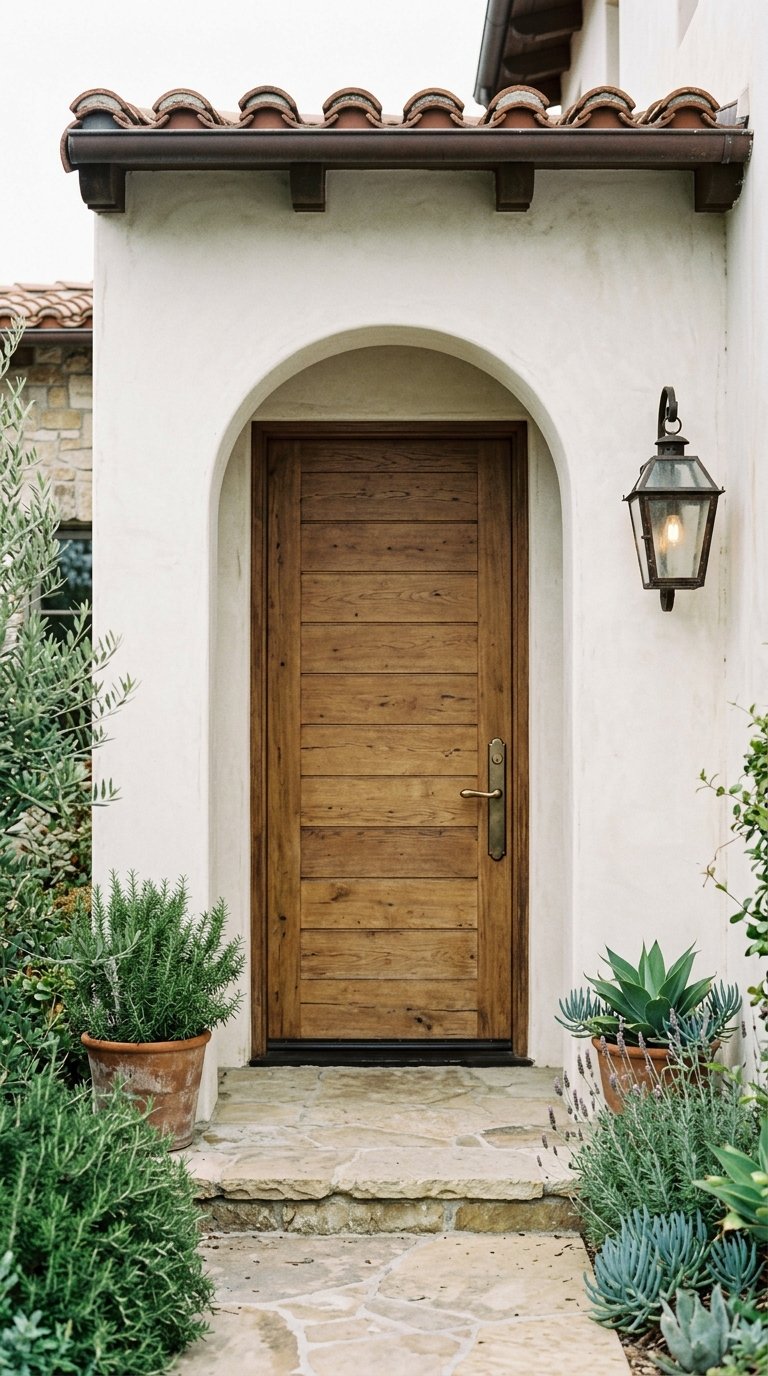
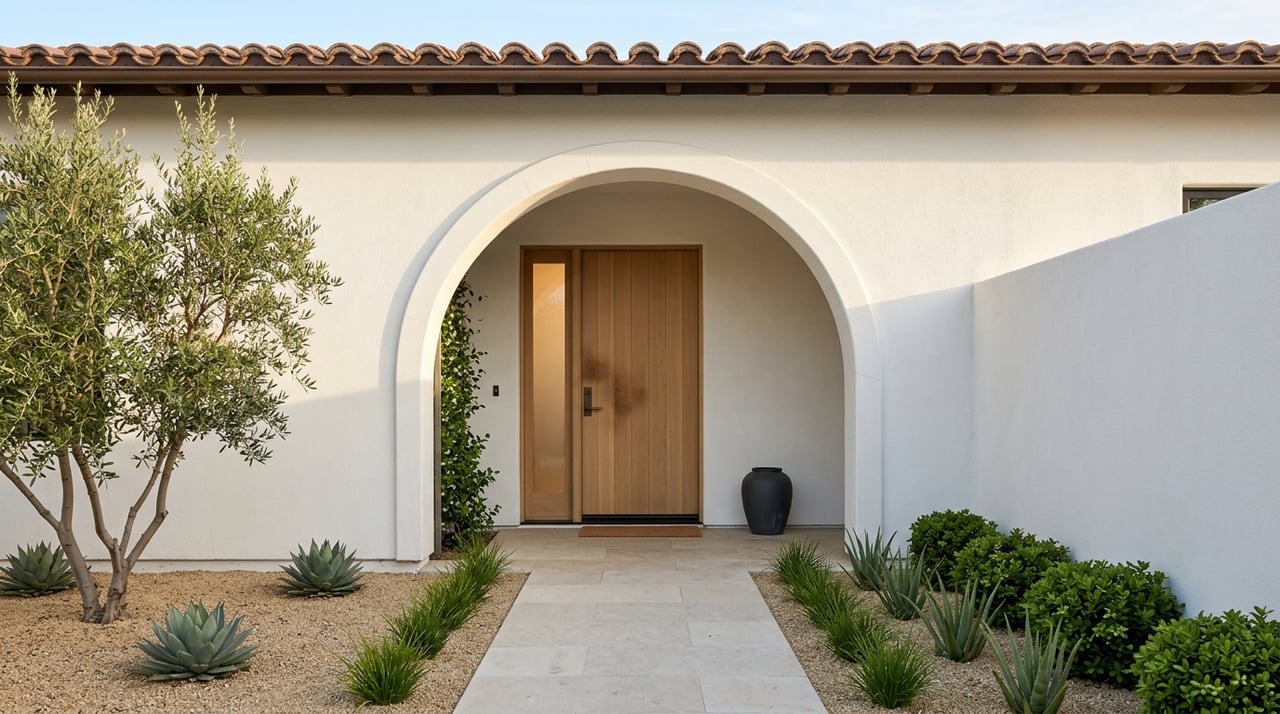
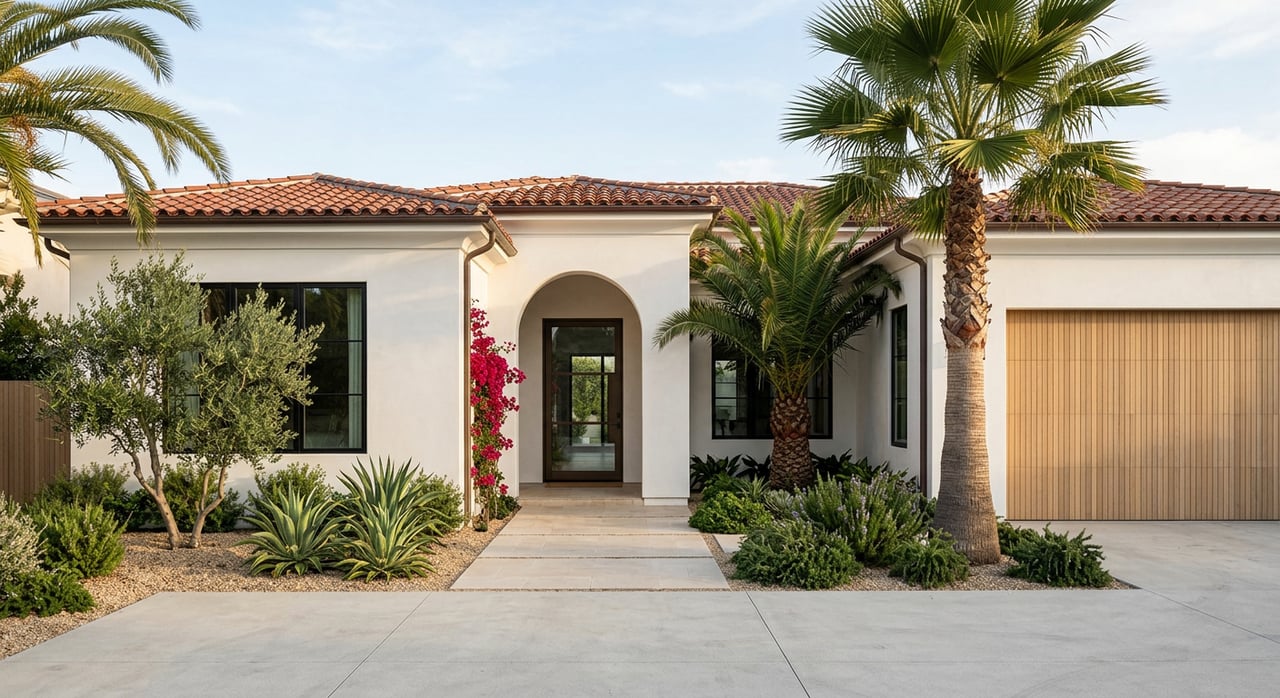
Architecturally, the community is often associated with Mediterranean and Spanish design. In some custom or newer homes, you may also see Santa Barbara, Tuscan, Italianate, and coastal-villa influences.
If you are comparing homes in Crystal Cove, it helps to narrow your priorities early. Two homes in the same community can offer very different living experiences based on lot position, floor plan, and design era.
Key variables often include:
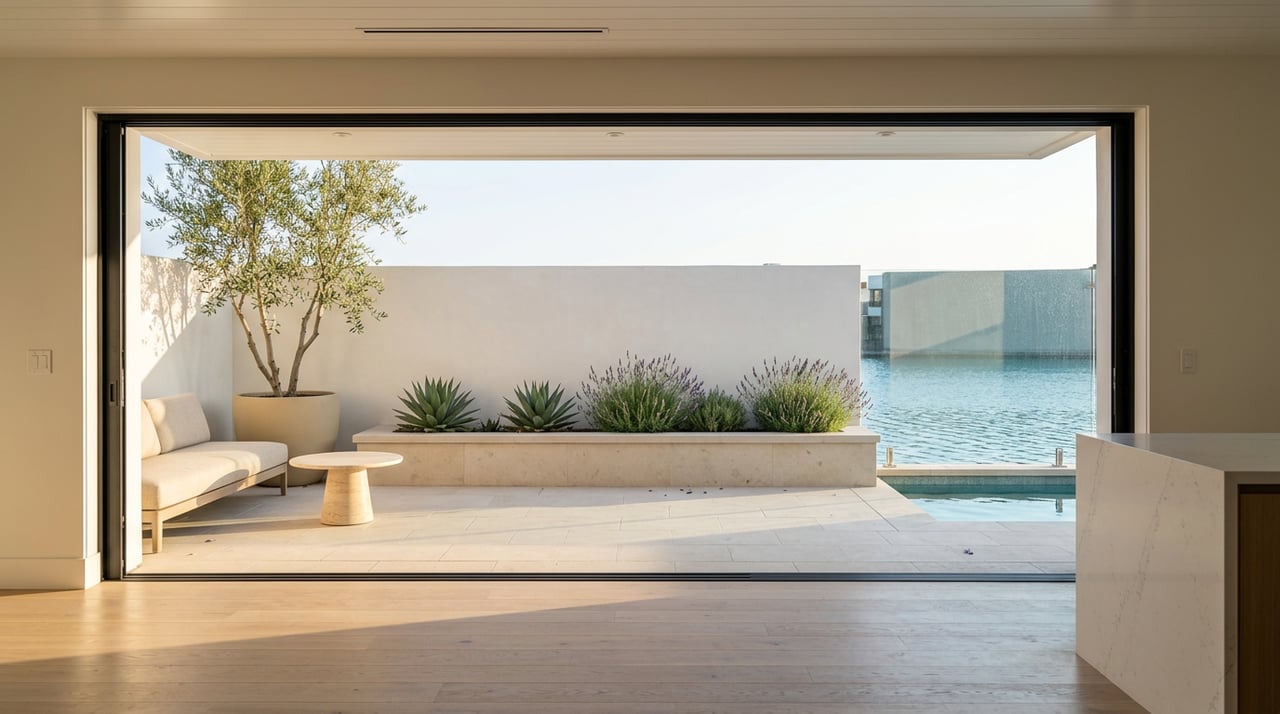
In Crystal Cove, view orientation is one of the biggest differentiators. Some front-row and bluff-oriented homes advertise Pacific Ocean, Catalina Island, and sunset views, while others may look toward canyons, coastline stretches, or Newport Harbor.
That means two homes with similar square footage can feel very different in daily life. The premium is often tied not just to whether there is a water view, but to the width of the view corridor, sunset exposure, privacy, and how the home’s main rooms connect to that outlook.
When you tour a property, consider more than the photos. Ask how the view reads from the primary suite, main living areas, kitchen, and outdoor spaces.
You should also look at:
For many buyers, one of Crystal Cove’s strongest draws is the sense of order and privacy that comes with a managed, guard-gated setting. The official Crystal Cove Community Association website highlights 24-hour staffed entry, visitor management through Proptia, and mobile credentials for pedestrian gates and Canyon Club doors.
That operational detail matters because it shapes the everyday ownership experience. Whether you are hosting guests, arriving for a weekend stay, or using shared amenities, the systems are designed to support a structured and secure residential environment.
Crystal Cove is not only about the home itself. It is also a club-centered community with an active amenities system that adds value to day-to-day living.
The community association site notes on-site management at Reef Point and the Canyon Club, along with tennis and pickleball reservations that can be booked up to two weeks in advance, twice per seven-day period per address, for up to 90 minutes. The site also notes two pickleball courts.
Amenities can play a meaningful role if you want a home that feels turnkey for recreation and gathering. In a community like Crystal Cove, that lifestyle infrastructure is part of what many buyers are paying for.
In broad terms, buyers often value communities with features such as:
One of the most important practical points is that there does not appear to be a single, community-wide HOA fee for Crystal Cove. Neighborhoods.com shows association-fee ranges from $835 to $3,030 per month, and the research also points to current listing examples around $892, $1,202, and $1,405 per month.
The clearest takeaway is simple: dues can vary materially based on tract, home type, and whether there are additional sub-association assessments. If you are budgeting for ownership, it is important to evaluate the full monthly cost picture rather than relying on one general number.
When you compare homes, build a complete monthly ownership snapshot that includes:
Crystal Cove offers a private feel, but it is not isolated. Its position next to a major stretch of preserved coastline is part of what makes the setting so distinctive.
Crystal Cove State Park includes 3.2 miles of beach, 448 acres of coastal terrace, and 2,343 acres of undeveloped wild land, with beach access provided through a tunnel under Pacific Coast Highway. For many buyers, that means you get a guard-gated residential environment next to a well-known public coastal landscape.
Daily convenience is also part of the lifestyle. The Crystal Cove Shopping Center leasing sheet places the center at 7845-8085 East Coast Highway and lists tenants such as Trader Joe’s, Javier’s, Marché Moderne, Mastro’s Ocean Club, and The Butchery. It also notes the center is about 3 miles from Newport Center and Fashion Island.
Crystal Cove can be an excellent fit if you want privacy, managed amenities, and a strong coastal setting. The key is understanding that the lifestyle comes with structure, and that structure should be reviewed carefully before you commit.
A smart pre-offer and escrow review should focus on:
If you want a guard-gated coastal community with layered HOA oversight, resort-style amenities, and strong proximity to both preserved open space and everyday conveniences, Crystal Cove stands out in Newport Coast. The appeal is not just the homes. It is the combination of security, club access, setting, and view-driven value.
The best purchase decisions here usually come from careful tract-level analysis, not broad assumptions about the community as a whole. If you want help comparing enclaves, reviewing HOA structure, or identifying the right fit for your lifestyle goals, connect with Kathy Klingaman for thoughtful guidance tailored to Crystal Cove and the greater Newport Coast market.



Prior to entering real estate, she worked as an award winning graphic designer and is happy to bring her creativity and deep knowledge of marketing to her real estate business. It is that out-of-the-box thinking that gets buyer’s offers accepted in a competitive situation, and it is marketing that attracts more buyers, brings more offers and potentially drives up the price of a home! Contact Kathy today to discuss all your real estate needs!