Crystal Cove View Corridor Rules and Height Limits
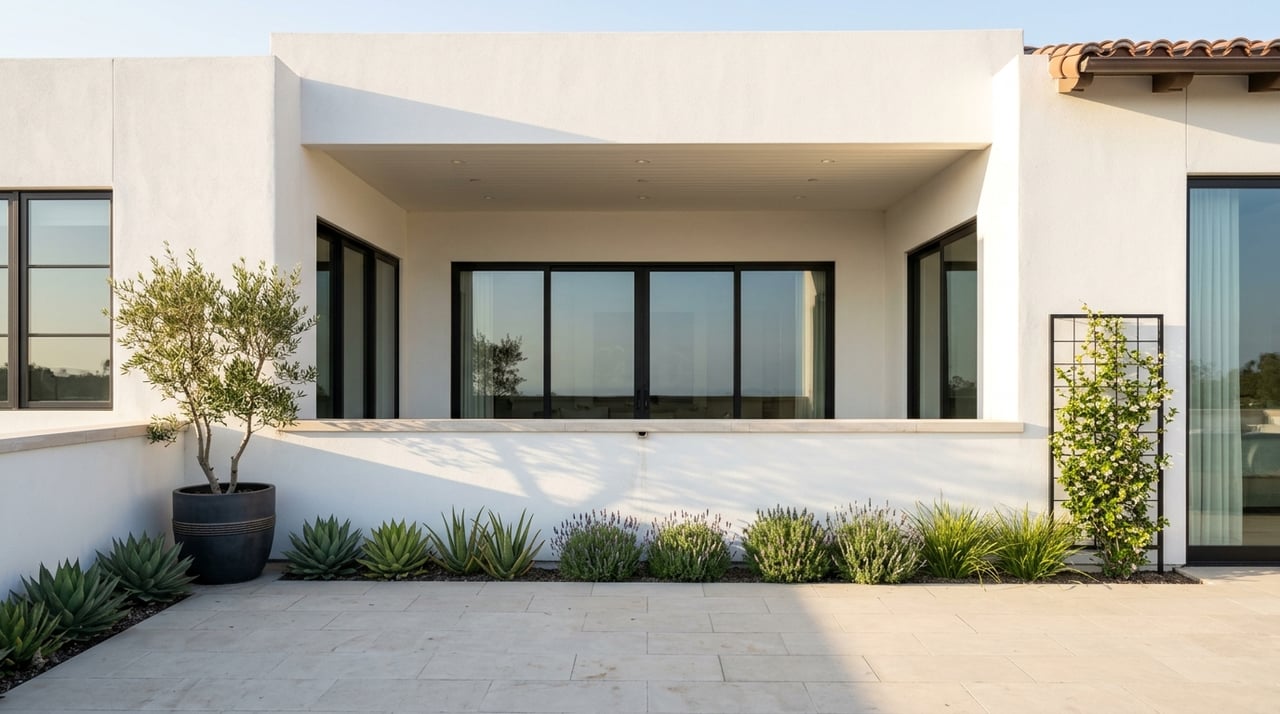
Wondering how far you can take a remodel in Crystal Cove without running into view or height issues? In this part of Newport Coast, design is rarely just about what fits on your lot. It is also about how a home sits in the coastal landscape, how it reads from public viewpoints, and how early you plan for layered approvals. If you are buying, selling, or considering a renovation, understanding these rules can help you make better decisions from the start. Let’s dive in.
Crystal Cove is not a typical neighborhood when it comes to exterior changes. Public HOA materials show an active master association with 778 single-family homes, a clubhouse, pool, spa, tennis and pickleball courts, multiple gates, an on-site management office, and 24-hour staffed entry.
That setting is part of the appeal, but it also comes with structure. For owners, the design review process is layered, with HOA and CC&R review, city planning review, and coastal regulation all potentially affecting what can be built or changed.
For buyers, that means a beautiful lot or strong view line does not automatically translate into unlimited expansion potential. For sellers, it means the rules protecting visual character can also support long-term value, especially in a market where ocean and canyon views are a major part of the story.
In Crystal Cove, the practical expectation for major work is a three-part review. You may need HOA approval, city or coastal permit review, and final construction compliance before the project is complete.
The City of Newport Beach Planning Division states that the Zoning Code controls size and height, and that modifications can include setback encroachments and fences that exceed the height limit. In other words, even changes that seem modest on paper can trigger formal review if they alter the roofline, massing, setback condition, or site visibility.
The HOA’s public website directs owners to a resident portal for documents and forms. Because the more detailed architectural standards appear to be accessed there, it is smart to confirm the current requirements before you finalize a design, request contractor pricing, or build a renovation budget.
If your project is large, complex, or likely to raise design concerns, Newport Beach directs applicants to an early review path. The city advises applicants to first meet with a planner and then, if directed, bring a site plan and detailed project description to the Development Review Committee for preliminary comments.
That early step can be especially useful in Crystal Cove because the neighborhood sits within a coastal setting where visual impact matters. If your concept changes height, shifts a building envelope, or adds visible bulk, early feedback can help you avoid expensive redesigns later.
One of the biggest design themes in Crystal Cove is view preservation. Newport Coast’s Local Coastal Program states that development must be sited and designed to protect views to and along the ocean and other scenic coastal areas.
The plan identifies important public views from Pacific Coast Highway toward the ocean, from the Moro Ridge area of Crystal Cove State Park, inland from PCH and the coastal shelf, and from Newport Coast Drive. It also notes that Crystal Cove State Park is the major open coastal shelf visible from PCH, which is part of the visual setting the plan is meant to preserve.
For you as an owner or buyer, this means the design conversation is broader than your private lot lines. A proposed second story, taller roof form, new fencing, or expanded massing may be evaluated in part by how it affects the public coastal backdrop.
In the Wishbone Ridge area of Crystal Cove State Park, the Local Coastal Program gets very specific. It says lots must be configured to preserve the existing undeveloped visual character as seen from the potential Moro Canyon Trail.
It also requires the subdivision to include a building envelope showing maximum heights and setbacks. Individual permit applications must show how structures and fencing maintain that undeveloped visual quality.
Where needed, the plan allows minor berming, landscaping, and color blending with indigenous plants and soils. It also says night lighting should be directed away from Crystal Cove State Park.
A common mistake is assuming there is one simple height cap for all of Newport Coast. The Local Coastal Program does not use one flat community-wide number.
Instead, it uses individual height zones along with site coverage limits and setbacks to create a terraced effect and reduce the visual bulk of buildings. The plan shows at least one residential planning area with a 28-foot maximum height, but the larger takeaway is that height must be read together with setbacks, lot configuration, and massing.
That matters because two homes with the same square footage can have very different review outcomes. A design with a heavier roofline, larger visual profile, or a more prominent siting may face more scrutiny than a lower-profile alternative.
The Local Coastal Program explains that height is measured from finished grade along perpendicular plumb lines. If the finished grade slopes 10 percent or more, the maximum height can be 10 feet higher than the base standard.
The plan also defines roof height differently for flat, mansard, pitched, and hipped roofs. It allows limited rooftop mechanical space, chimneys, and architectural treatments within stated caps.
For homeowners, this is where design details start to matter. Roof type, slope conditions, and how grade is finished can all affect what is considered compliant.
In Crystal Cove, visual impact is often as important as square footage. A relatively modest addition can still become a design issue if it changes the roofline, increases apparent bulk, or makes the home more visible from protected viewpoints.
This is one reason buyers should be careful when evaluating a property for future expansion. The lot may feel generous, but actual build potential can be shaped by setbacks, height zones, envelope limits, and coastal view protections.
For sellers, the flip side is important too. The same rules that can slow a remodel can also help preserve the neighborhood’s low-profile coastal setting over time, which is a meaningful part of Crystal Cove’s long-term appeal.
If your project needs a coastal development permit, Newport Beach requires a fairly detailed package. Typical submittals include:
For new structures and major remodels that increase height, the city also requires a topographic survey. Applicants must also post public notice for the permit process.
This level of documentation is one reason design timelines in Crystal Cove can run longer than owners first expect. If you are buying with renovation plans in mind, it is wise to treat permitting, design review, and consultant costs as part of the overall investment picture.
Most development in the Coastal Zone requires a coastal development permit, according to the city’s coastal permit FAQ. Newport Beach’s Local Coastal Program certification became effective on January 30, 2017, which allows the city to issue coastal development permits in most instances.
However, the California Coastal Commission still retains jurisdiction in some situations. Depending on the location and scope of the work, a project can involve both local and state oversight.
That is another reason early coordination matters. If a project is near the edge of what is allowed or especially visible in the coastal setting, the review path may be more involved than a homeowner expects.
If you are buying in Crystal Cove and hope to remodel, ask targeted questions early. It is much easier to verify constraints before closing than to discover them after you own the home.
A strong due diligence checklist may include:
For luxury buyers, this kind of diligence protects both your timeline and your vision. It can also help you compare homes more accurately, especially when two properties look similar on the surface but offer very different design flexibility.
If you are selling a Crystal Cove property, design rules are not just a limitation story. They can also reinforce why views and visual character hold value here.
Buyers often pay a premium for the feeling that a coastal setting will remain visually protected over time. When positioned thoughtfully, the neighborhood’s layered review structure can support that narrative by showing that rooflines, massing, and siting are not left entirely to chance.
If a home already has approved plans, completed improvements, or a design history that aligns well with current standards, that can be especially relevant in your marketing strategy. In a community where expansion is not always simple, clarity around what exists and what may be possible can be powerful.
In Crystal Cove, design is about more than adding space. It is about working within a coastal framework that prioritizes view preservation, low-profile massing, and a visual relationship with the surrounding landscape.
That can create extra complexity, but it is also part of what makes the community feel so carefully composed. If you approach a remodel, purchase, or sale with clear expectations and early coordination, you are in a much stronger position to protect both your investment and your timeline.
When you want guidance that pairs local market knowledge with a polished, strategic approach, Kathy Klingaman can help you navigate Crystal Cove with clarity.
Prior to entering real estate, she worked as an award winning graphic designer and is happy to bring her creativity and deep knowledge of marketing to her real estate business. It is that out-of-the-box thinking that gets buyer’s offers accepted in a competitive situation, and it is marketing that attracts more buyers, brings more offers and potentially drives up the price of a home! Contact Kathy today to discuss all your real estate needs!