Living in Corona del Mar’s Village: A Daily Life Guide
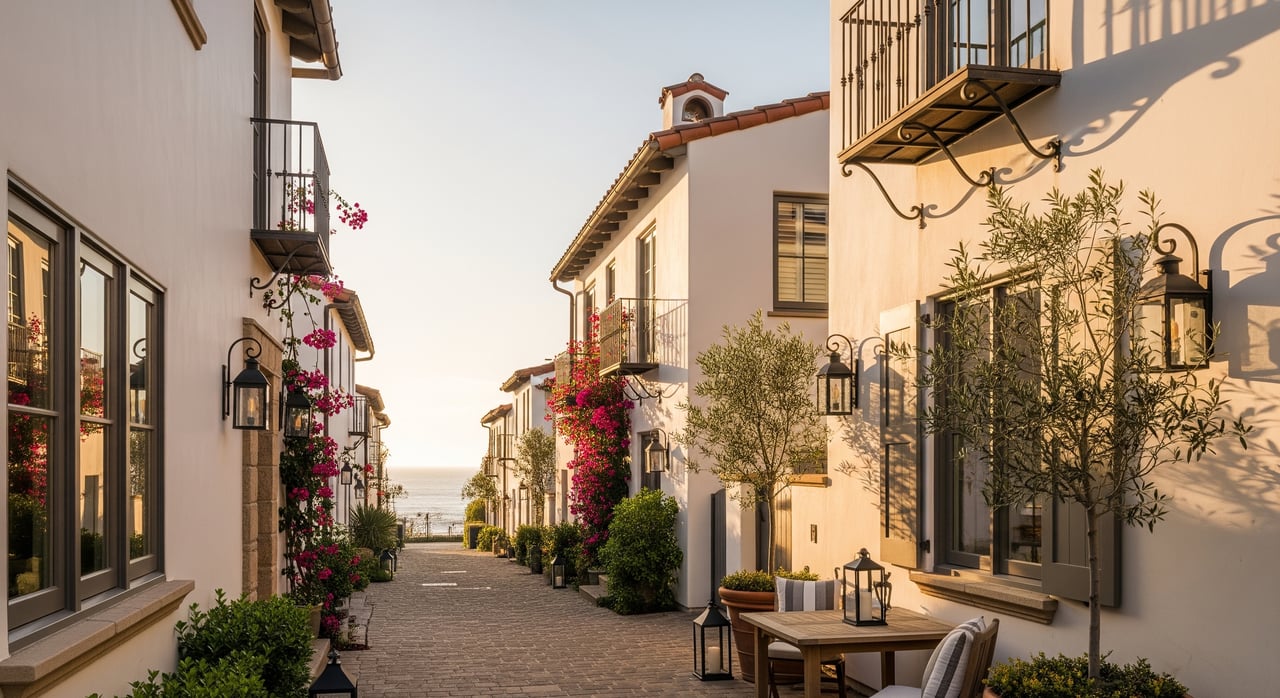
Imagine starting your day with a bluff-top jog, grabbing coffee around the corner, and ending with a sunset walk above the coves. If you are considering a move, you likely want a real feel for what daily life looks like in Corona del Mar’s Village and the Flower Streets. This guide gives you a practical view of walkability, beach time, dining, mobility, schools, and buying considerations. You will also learn the tradeoffs so you can decide if the Village fits your lifestyle. Let’s dive in.
Corona del Mar is a coastal neighborhood within Newport Beach. The Village centers on East Coast Highway and Ocean Boulevard, with shops and services set among short blocks. The Flower Streets are the small perpendicular residential streets stepping down toward the water. Everything feels compact, with a close connection between homes, storefronts, and the beach.
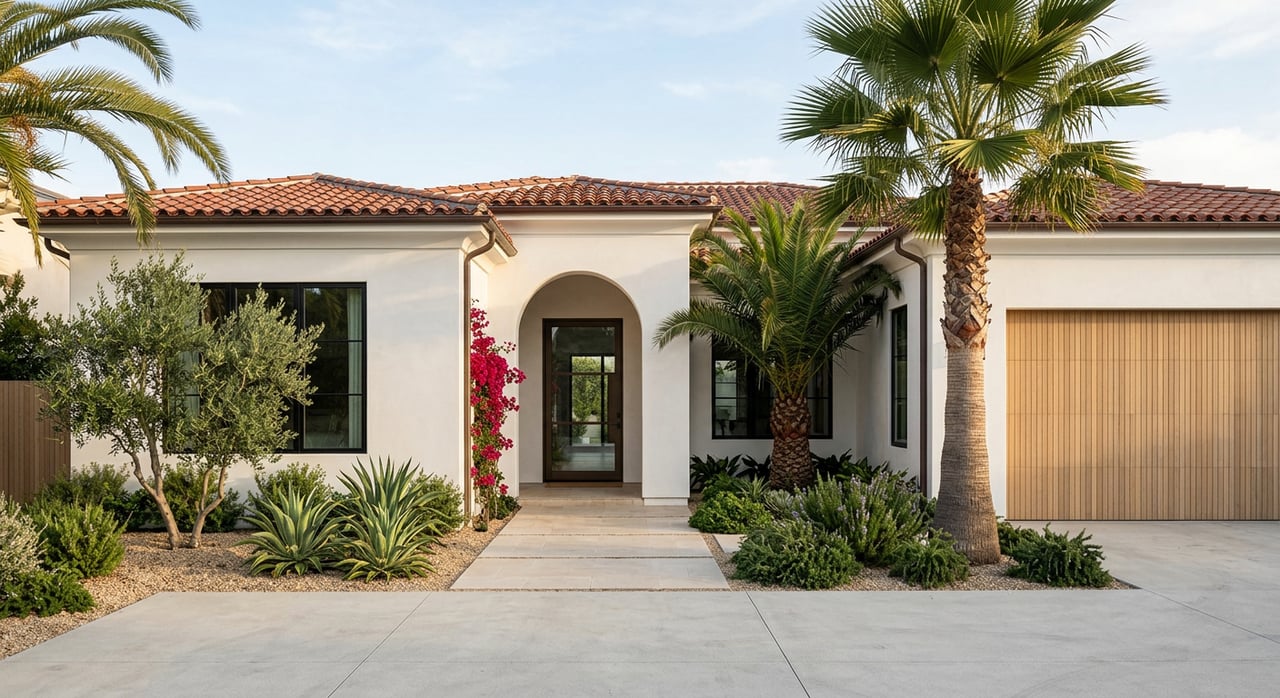
You see a mix of small historic beach cottages, mid-century and contemporary single-family homes, townhouses, and walk-up or low-rise condos. Oceanfront lots and bluff-top estates frame Main Beach and Inspiration Point. It is common to find older cottages next to substantial remodels or new-build infill. Many homes are designed to maximize ocean views and outdoor living.
The Village is one of Newport Beach’s most walkable pockets. Many residents handle daily errands on foot, including coffee, lunch, a quick grocery run, or a pharmacy stop. Pedestrian activity is strongest on Coast Highway, Ocean Boulevard, and the ladder-like Flower Streets.
Here is how a typical weekday might play out:
Bottom line: You can keep much of your day inside a few blocks and skip the car for local errands.
Multiple beach access points are nearby, from small coves and the Little Corona area to larger public beaches. Crystal Cove State Park is a short drive south for longer outings. Daily routines often include jogging or walking the bluffs, surfing or paddleboarding at local breaks, and seasonal tide-pooling when conditions allow. Cliffside viewpoints are popular for sunset and casual socializing.
Expect a curated mix of independent boutiques, specialty food and wine shops, cafes, and restaurants ranging from casual to upscale. Personal services such as salons, galleries, and wellness spots are close at hand. Community institutions, including neighborhood associations and the Sherman Library & Gardens, help anchor local life. Seasonal gatherings, fundraisers, and citywide events create high-activity days that bring more foot traffic.
Public transit options exist but are limited compared with urban cores, and routes to major employment centers can be indirect. Most households rely on cars for commuting or errands beyond the Village. Street parking is in high demand, and some residential streets use permits or timed restrictions. For regional access, you can reach I-405, SR-55, and the SR-73 toll road for short trips across Orange County, and John Wayne Airport is a quick drive away.
Biking works well for short trips due to the compact scale. That said, narrow streets and bluff stairways mean walking is often preferable. E-bikes and scooters appear in the mix, subject to local rules.
Corona del Mar is served by Newport-Mesa Unified School District, with neighborhood elementary and middle schools and a local high school. For the most current school assignments and program availability, review district and state education resources. Several private and parochial schools operate in Newport Beach and nearby communities. Public safety is provided by the Newport Beach Police and Fire Departments, and Hoag Hospital Newport Beach offers hospital and outpatient care within a short drive.
This is one of Orange County’s most expensive neighborhoods. Inventory ranges from smaller cottages and condos to high-end coastal estates, with premiums for oceanfront, bluff-top, or panoramic-view properties. Limited land, coastal regulations, and high demand keep prices elevated and inventory tight. Well-presented single-family homes in great locations tend to move quickly.
Condos and townhomes can offer a lower entry point but may include HOA fees. Review HOA reserves, upcoming improvements, rules, and any special assessments. Preparation and clarity help you compete when a strong property appears.
If you plan to renovate or build, expect more involved permitting for projects near the coast. The California Coastal Act and local coastal permitting can extend timelines, limit height or density, and require design concessions. You should factor the neighborhood’s character, view and solar setbacks, and aesthetic guidelines into plans.
Coastal risks deserve attention, especially for ocean-close or bluff-front properties. Consider erosion and cliff stability, and long-term sea-level rise. Insurance can be more expensive in higher-risk zones, and some coverages may be limited. Review FEMA flood maps, consult local geotechnical experts for property-specific assessments, and speak with insurance professionals familiar with coastal California.
Day-to-day costs for dining, boutique shopping, services, and parking tend to run higher than regional averages. You can handle essentials in the Village, while larger specialty and big-box runs are a short drive away.
Benefits include immediate beach access, a strong neighborhood identity, and short walks to dining and shops. Tradeoffs include higher purchase prices and taxes, limited parking, seasonal crowds, and more complex permitting or insurance near the water. Knowing these ahead of time helps you plan with confidence.
If you value walkability, scenic daily routines, and a curated local scene, the Village and Flower Streets deliver. If you prefer ample parking and wide streets, or you want a simpler renovation process near the coast, you may want to weigh alternatives. The right fit often comes down to your priorities around lifestyle, budget, and timeline.
When you are ready to explore on the ground, align with a local advisor who blends neighborhood knowledge with a clear buying strategy. With 25+ years in coastal Orange County and proven negotiation and marketing credentials, Kathy Klingaman can help you evaluate streets, parking rules, permitting considerations, and off-market opportunities. Schedule a walk-through of the Village, preview select homes, and map your next steps.


Prior to entering real estate, she worked as an award winning graphic designer and is happy to bring her creativity and deep knowledge of marketing to her real estate business. It is that out-of-the-box thinking that gets buyer’s offers accepted in a competitive situation, and it is marketing that attracts more buyers, brings more offers and potentially drives up the price of a home! Contact Kathy today to discuss all your real estate needs!