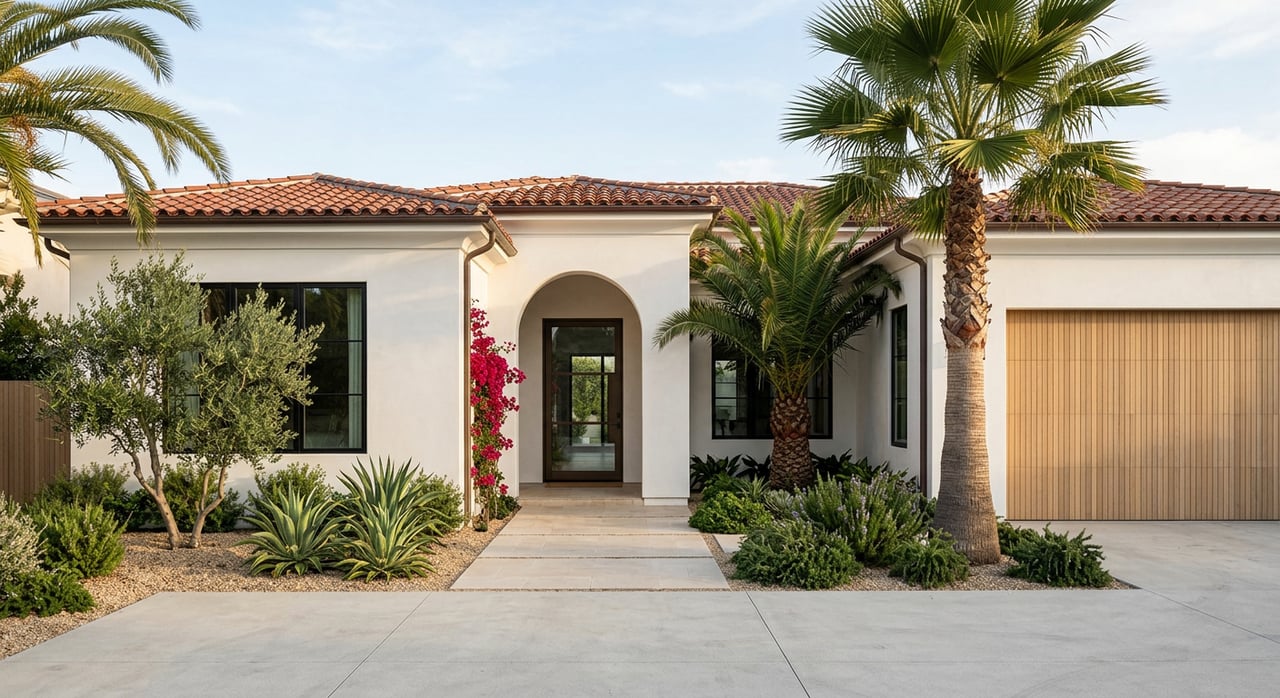
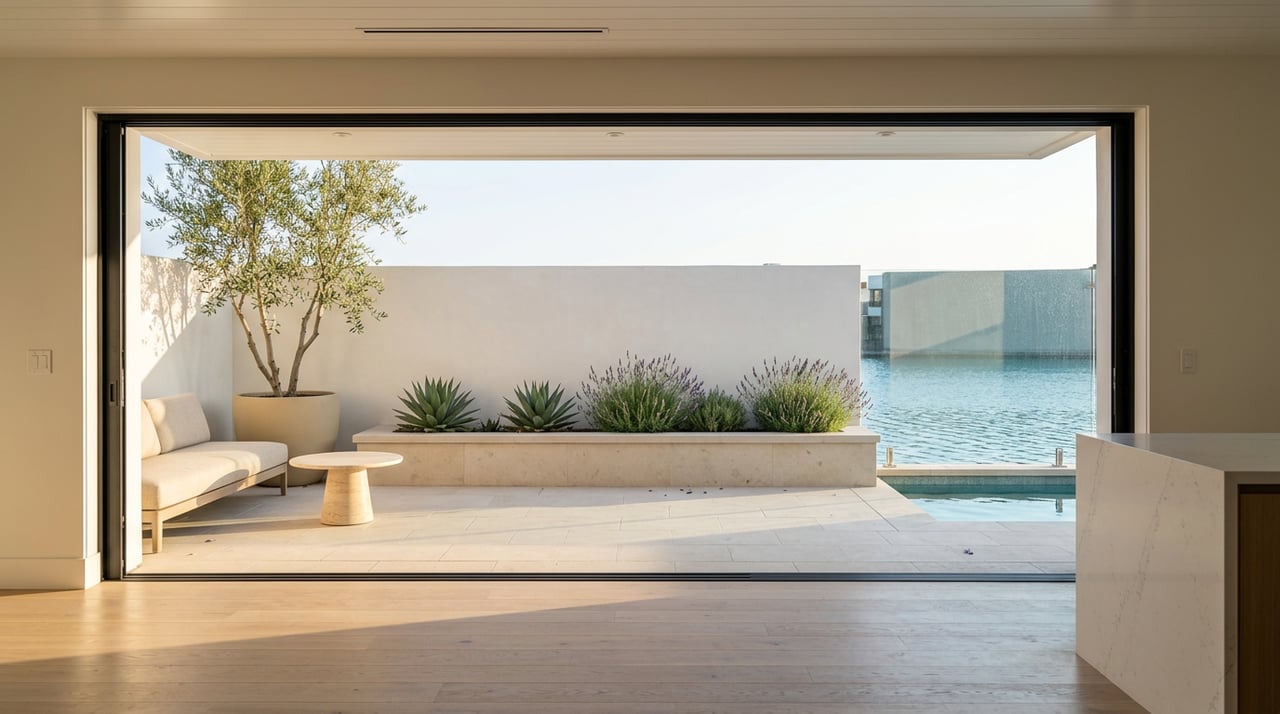
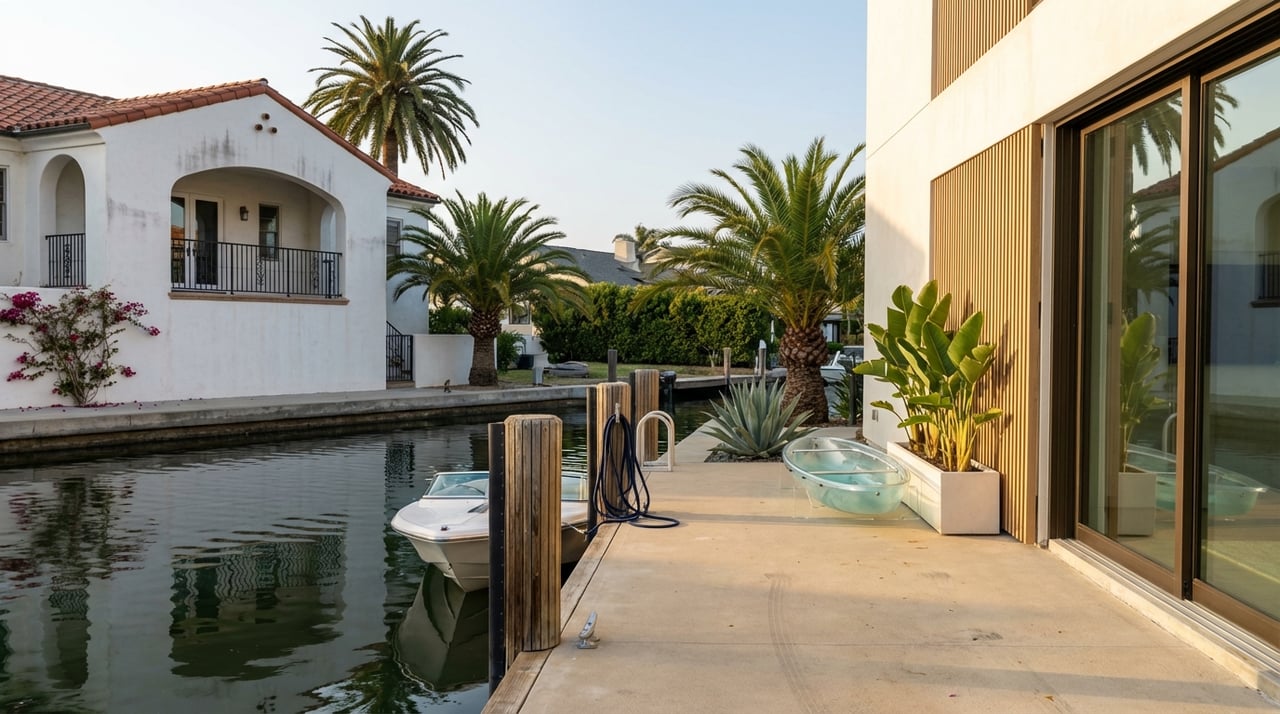
Ever pictured stepping from your backyard straight onto your boat, coffee in hand, and gliding into Newport Harbor? Waterfront living here is special, but docks come with rules, permits, fees, and responsibilities that can surprise first-time buyers and even seasoned owners. You want clarity on what you can own, what you can lease, what transfers in a sale, and how daily life on the water actually works. This guide breaks down dock types, ownership and lease structures, permits, maintenance, and wake rules so you can make smart decisions with confidence. Let’s dive in.
Dock types in Newport Harbor
Newport Harbor offers a few ways to berth a boat, and each one affects ownership and use differently.
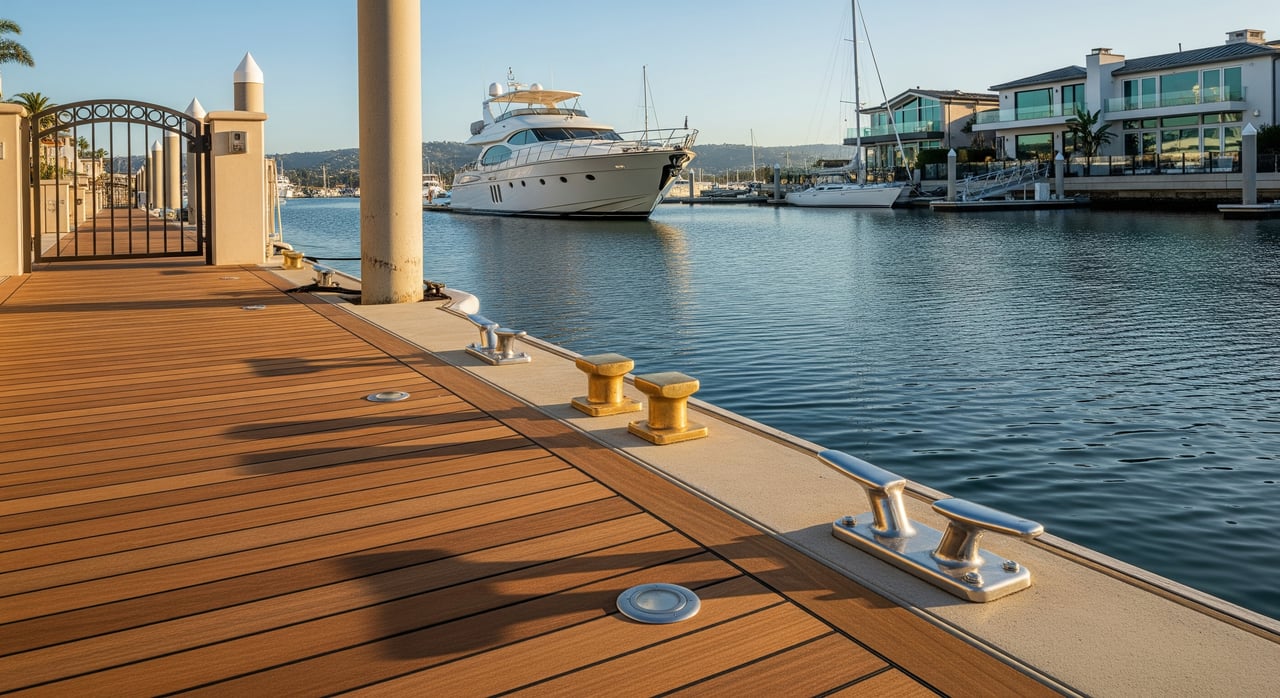
- Private residential docks. These are fixed or floating structures attached to waterfront property. They are often long-established and may sit over city-managed tidelands. Paperwork and approvals should be verified.
- Mooring buoys. These secure a vessel offshore without a fixed pier. Many are managed as city mooring fields with rules, fees, and assignment procedures.
- Marina slips. These are berths inside private, commercial, or association marinas with their own contracts. Slip rights usually do not transfer with a home unless a contract allows it.
In California, the state holds most submerged lands for public trust purposes. That means even a long-standing private dock generally needs local and state authorization, and terms can differ property by property.
Who owns what
Owning waterfront property gives you access to the water. It does not automatically give you the right to build, replace, or expand a structure on the water. Structural rights come from permits and authorizations.
- Public trust tidelands. The State of California holds title to most submerged lands for navigation and related public purposes. Private docks over these areas typically require a recorded lease, license, easement, or permit.
- Local control. The City of Newport Beach oversees many harbor activities and permits for docks, piles, floats, and moorings. State-level authorization can also apply, depending on location.
What conveys on sale
Dock permissions do not always transfer automatically. What conveys depends on the instrument on title and its transfer language. Some recorded leases or licenses allow assignment at sale, some require agency approval, and some are not transferable. Always read the recorded document and confirm with the issuing agency before you rely on continued rights.
Documents to verify
Ask for and review the following during due diligence:
- Recorded lease, license, or easement for any dock or mooring
- Permit history, as-built plans, and any final inspection or close-out documents
- Any city mooring assignment or marina slip agreement
- Proof of insurance and any obligations tied to the dock
Leases and permits you should know
Most dock and mooring activity in Newport Harbor involves multiple agencies. Plan ahead to avoid delays.
- City permits and agreements. The City of Newport Beach issues many dock and mooring permits. Check the City Recorder for recorded agreements and the Harbor Department for permit files or inspections.
- Coastal Development Permit. Projects in the coastal zone often require a Coastal Development Permit for new docks, significant repairs, or replacements. Depending on jurisdiction, this may be issued by the City or by the California Coastal Commission.
- State Lands Commission. If any part of the structure occupies state tidelands, a lease or consent may be required.
- U.S. Army Corps of Engineers. Projects that involve dredge or fill, or that alter waterways, may require federal permits. Consultation is common for larger dock work.
- Environmental review. Biological surveys or mitigation may be needed, especially where eelgrass or sensitive habitat is present.
Permits can take weeks to many months. Projects that require environmental studies or public notice tend to take longer, so build that into your timeline.
Costs and maintenance realities
Dock ownership includes ongoing responsibilities. Knowing what is yours to maintain helps you budget and plan work at the right time.
Routine care
The recorded dock owner or leaseholder is generally responsible for routine upkeep. Expect periodic work on decking, hardware, floatation, and cleaning. Mooring owners must maintain anchors, chain, and buoys to city standards and may face periodic inspections.
Major work and timelines
Replacing piles, gangways, or float systems is a larger effort and usually requires new approvals. Costs vary widely based on materials, size, site access, and permitting needs. Minor work can range from a few hundred to a few thousand dollars. Significant repairs and replacements often run into the tens of thousands, and complex projects can exceed $100,000. Exact estimates require a marine contractor survey and a permit review.
Insurance and liability
Most dock-related agreements require liability insurance naming specified parties as additional insured. Lenders may also require proof of coverage. Confirm policy limits and endorsements match the obligations written into any recorded lease or license.
Use rules and daily life on the water
A private dock shapes your day-to-day routine in great ways, but it also comes with rules designed to protect the harbor and your neighbors.
Residential use only
Many private docks are limited to non-commercial, residential use. Hosting guests is common, but renting dock space or running commercial activity typically requires separate authorization. Always check your specific permissions.
Vessel limits and guests
Permits usually specify maximum vessel length, beam, and height. If you are planning a new boat, confirm that it fits within your approved limits. Guest moorage is often restricted and is different from public transient docks.
Wake zones and neighborhood impacts
Newport Harbor includes areas with speed limits and no-wake zones enforced by Harbor Patrol. Boat wakes can stress floats and pilings, especially in higher traffic fairways. Owners in exposed locations often use extra fendering and secure lines. Expect seasonal variations in traffic, regattas, and holiday activity that may increase noise and wakes.
Seasons, storms, and corrosion
The harbor is protected, but winter storms and high surf can still cause damage. Salt water accelerates corrosion and marine growth, which means more frequent cleaning and inspection of hardware and electrical components. Make storm prep part of your routine.
Buyer and seller due diligence checklist
Use this checklist to keep your transaction organized and reduce surprises.
- Title and recorded documents
- Order a preliminary title report and identify any dock, lease, license, or easement.
- Confirm transfer language and fee or rent obligations.
- Permits and approvals
- Collect all permits from the City and Coastal program. Include State Lands Commission and U.S. Army Corps of Engineers records if applicable.
- Confirm that work in the past 5 to 10 years was permitted and closed out.
- Physical condition and compliance
- Schedule a marine survey of the dock or mooring and get written estimates for near-term work.
- Verify shore power, GFCI, and marine wiring safety.
- Confirm insurance coverage required by any recorded instrument.
- Operational restrictions
- Verify permitted vessel size and use restrictions, such as residential-only clauses.
- Ask about mooring waitlists, slip transfer policies, and marina rules if relevant.
- Financial and municipal obligations
- Identify mooring fees, rents, or recorded assessments. Ask about any planned dredging assessments.
- Clarify who is responsible for dredging or special projects in your area.
- Environmental and regulatory exposure
- Check for open violations or enforcement actions.
- Ask about eelgrass surveys or other mitigation tied to recent or planned work.
- Neighborhood practices
- Request Harbor Patrol maps for speed and wake zones and note any recurring events or seasonal closures.
Red flags to avoid
Look for these issues early, and bring in the right experts if you spot them.
- No recorded permit or missing history for an existing dock
- Expired, revocable, or non-assignable permissions that may not carry through a sale
- Unknown structural condition or visible deferred maintenance
- Open enforcement or neighbor disputes about encroachments or boundaries
- Insurance gaps or inability to satisfy required coverage terms
Local contacts for Newport Harbor
When in doubt, speak directly with the agencies or professionals who oversee your area:
- City of Newport Beach Harbor Department and Harbormaster for permits, moorings, and patrol rules
- City Planning Division and Coastal Program for Coastal Development Permit records
- California State Lands Commission for tidelands leases and public trust guidance
- California Coastal Commission for coastal development policies and oversight
- U.S. Army Corps of Engineers for federal permits
- Licensed marine contractor and certified marine surveyor with Newport Harbor experience
- Maritime or real estate attorney with coastal expertise
- Title company familiar with coastal easements and tidelands encumbrances
- Local homeowner association or marina management if the property is within a community or marina
Work with a local advisor
Every waterfront parcel in Newport Harbor has a story. The right permits, the right lease language, and the right maintenance plan can protect your lifestyle and your investment. A consultative approach helps you verify what conveys, align your plans with agency requirements, and anticipate costs and timelines before you write an offer or list your home.
If you are considering buying or selling a waterfront property, connect with a local specialist who combines deep neighborhood knowledge with negotiation strength and premium marketing. Reach out to Kathy Klingaman to discuss your goals and map the cleanest path forward.
FAQs
What is the difference between a dock, mooring, and slip in Newport Beach?
- A dock is a fixed or floating structure attached to shore, a mooring is an offshore buoy system, and a slip is a berth in a marina under a separate contract.
Do dock rights automatically transfer when I buy a waterfront home?
- Not always, since transfer depends on the recorded instrument on title and may require agency approval or assignment.
What permits do I need to replace a dock in Newport Harbor?
- Most projects involve City permits, a Coastal Development Permit, and sometimes State Lands and U.S. Army Corps approvals depending on scope and location.
Who pays for dredging near my property?
- It varies by area, since some projects are public while others involve assessments to nearby owners or voluntary participation.
How do wake and speed rules affect my dock and boating?
- Harbor Patrol enforces speed limits and no-wake zones, and wakes can stress docks, so secure fendering and lines and follow posted rules.
How much does annual dock maintenance cost in Newport Beach?
- Routine upkeep can be a few hundred to a few thousand dollars, while major repairs or replacements can reach tens of thousands or more.
What documents should I request during escrow for a home with a dock?
- Ask for recorded dock leases or licenses, permit history and as-builts, mooring or slip agreements, insurance certificates, and any inspection or close-out records.