How Corona Del Mar Home Settings Shape Daily Life
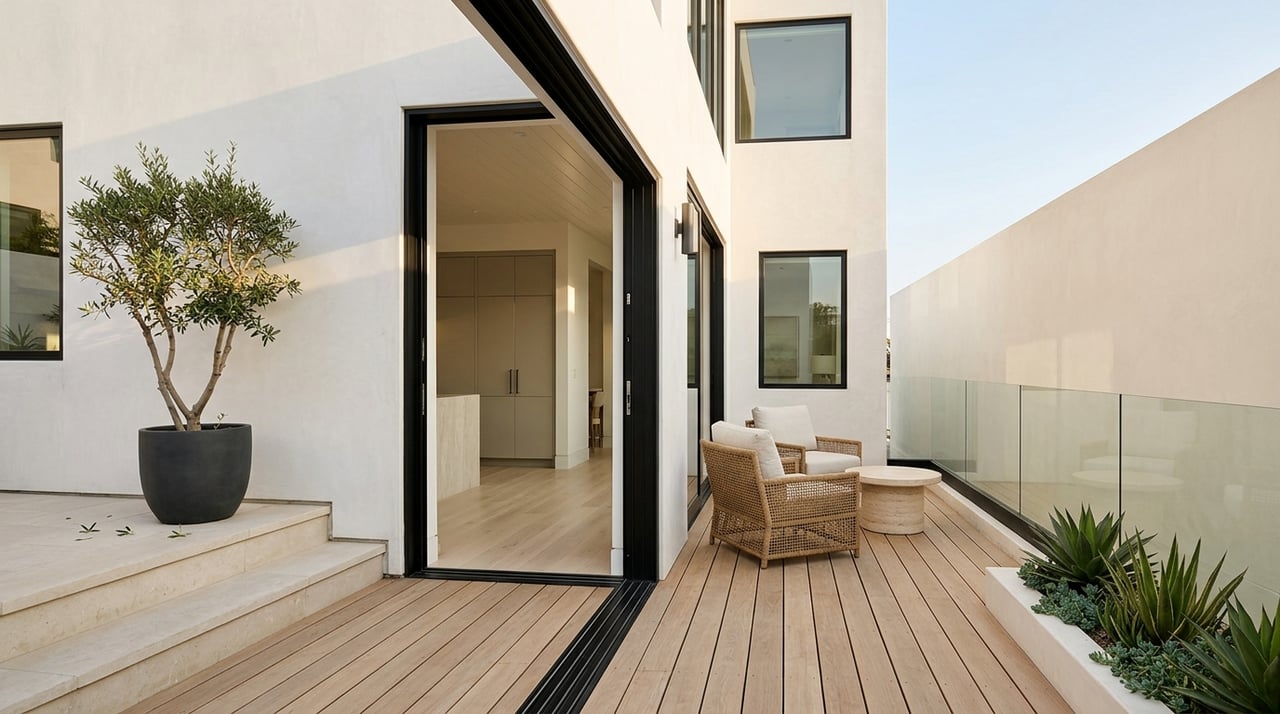
What does daily life in Corona del Mar really look like once you move beyond the listing photos? In a market where the median for-sale price is about $4.5 million and micro-location can shape everything from your morning walk to your sense of privacy, choosing the right setting matters as much as choosing the right house. If you are considering a move in CdM, understanding how bluff-front, village, and hillside homes live day to day can help you buy with more confidence. Let’s take a closer look.
Corona del Mar is one of Newport Beach’s distinct villages, known for Corona del Mar State Beach, scenic public viewpoints, and a downtown area just a few blocks inland with shops, boutiques, and restaurants along Coast Highway. That mix gives the community a very specific rhythm. You can be near the water, near the village, or tucked into a more elevated residential setting, and each one feels different.
That distinction also shows up in pricing. As of spring 2026, Zillow places the average home value around $4.26 million and the median list price around $4.08 million, while Realtor.com reports a median for-sale price of $4.5 million, a median price per square foot of $2.2K, and a median time on market of 57 days. Realtor.com also notes that neighborhood medians within CdM vary, with North Harbor View around $3.82 million versus $4.5 million for the broader 92625 ZIP code.
The takeaway is simple: in Corona del Mar, your address does more than locate your home. It shapes your views, your access, your privacy, and often your price point.
Bluff-front homes sit along Corona del Mar’s ocean-facing edge, where the coastal platform rises roughly 95 to 100 feet above sea level. The city’s Local Coastal Program identifies bluff-face development along Ocean Boulevard, Carnation Avenue, and Pacific Drive, where scenic resources and public coastal views are carefully managed.
If your priority is visual impact, bluff-front living is hard to match. These homes are the part of CdM most defined by open ocean outlooks, harbor-entrance views, and immediate access to iconic scenic spots like Lookout Point and Inspiration Point.
Your daily routine may feel closely tied to the coastline. Beach access via Ocean Boulevard and Jasmine Avenue is nearby, and the setting naturally lends itself to sunrise and sunset walks, time outdoors, and a strong connection to the water.
The same public-facing coastline that creates dramatic views can also limit privacy. Bluff-front homes are often visually exposed to public viewpoints and beach activity, and the city’s maintenance operations specifically reference beachfront homes and high-pedestrian traveled areas along the coast.
That does not make bluff-front living less desirable. It simply means you are choosing scenery and proximity first, with a lifestyle that tends to feel more open and more connected to public coastal spaces.
Bluff-front homes generally command the strongest premium in CdM. That reflects the scarcity of ocean-edge land, the protected nature of coastal views, and the fact that this setting offers a lifestyle few properties can replicate.
In practical terms, buyers often pay above the broader Corona del Mar baseline for this location advantage. When you are evaluating value here, the setting itself may carry as much weight as the floor plan or square footage.
The village is Corona del Mar’s pedestrian heart. Just inland from the beach, this area centers on Coast Highway, where the city describes a downtown corridor lined with shops, boutiques, and restaurants.
If you want a home that supports a more walkable, social rhythm, the village often stands out. Daily errands, dining, coffee stops, and beach access are concentrated in a compact area, and the city is actively studying ways to improve walkability, safety, parking balance, and corridor identity.
That means your lifestyle may feel less car-dependent than in other parts of CdM. You can step out for dinner, meet friends nearby, or head toward the coast without needing to plan every outing.
Village homes are usually more street-oriented than panoramic. While scenic overlooks and the beach are close by, the day-to-day emphasis tends to be on convenience and connection rather than on long, open water views.
Privacy can also be lower here because residential life blends with a public-facing commercial corridor. For some buyers, that energy is a major plus. For others, it is a reminder that the village is best suited to people who value access and activity over separation.
Village pricing can vary widely, but it remains strong because of the coastal address and everyday convenience. In many cases, buyers are paying less for direct-view frontage and more for a practical lifestyle that places a lot within easy reach.
That is an important distinction in Corona del Mar. Not every premium is about the ocean itself. Sometimes it is about how effortlessly a home fits your routine.
Hillside settings represent the more inland elevated residential tracts of Corona del Mar. The city’s Harbor View Hills planned community, for example, is categorized as hillside single-family residential, with homes that may orient toward view conditions and a layout that includes open space, trails, and a neighborhood shopping complex.
For many buyers, hillside homes offer the calmest residential feel of the three settings. Streets tend to feel more residential, and the topography can create a natural sense of separation from the busier coastal and village areas.
Daily life here may be quieter and more inward-focused. You may trade some immediate walkability for a stronger sense of retreat, while still benefiting from neighborhood services and open-space access in certain hillside tracts.
One of the most interesting parts of hillside living is that views can be broad and elevated, but they are not uniform. Some lots are designed around view corridors, while others may offer a different balance of slope, orientation, and usable outdoor area.
That means two homes in the same general hillside area can live very differently. In this setting, details like lot shape, rear slope, flat space, and line of sight can all affect both daily enjoyment and long-term value.
Hillside privacy is usually the strongest of the three settings. Slope-buffered lots, residential street patterns, setbacks, and view-oriented lot planning all contribute to a more tucked-away feel.
For buyers who want coastal access without the exposure of the bluff or the activity of the village, hillside homes often offer a compelling middle path. You may still enjoy views, but in a setting that feels more sheltered.
The best setting depends on how you want your life to feel once you are home. In Corona del Mar, that question often matters more than a simple checklist of bedrooms and baths.
In a balanced market where homes are selling around asking on average, the right fit still comes down to context. A house that looks ideal on paper may not support the lifestyle you actually want if the setting works against your priorities.
That is especially true in Corona del Mar, where prices reflect more than square footage alone. View scarcity, privacy, and daily convenience all shape value, and understanding those differences can help you make a more strategic choice.
Whether you are relocating, searching for a second home, or refining your next coastal move, it helps to evaluate each property through the lens of how you will live there every day. If you want a thoughtful, hyper-local perspective on which Corona del Mar setting best matches your goals, connect with Kathy Klingaman for tailored guidance.
Prior to entering real estate, she worked as an award winning graphic designer and is happy to bring her creativity and deep knowledge of marketing to her real estate business. It is that out-of-the-box thinking that gets buyer’s offers accepted in a competitive situation, and it is marketing that attracts more buyers, brings more offers and potentially drives up the price of a home! Contact Kathy today to discuss all your real estate needs!